
National Archaeology Museum at Jerónimos: A Visitor Guide
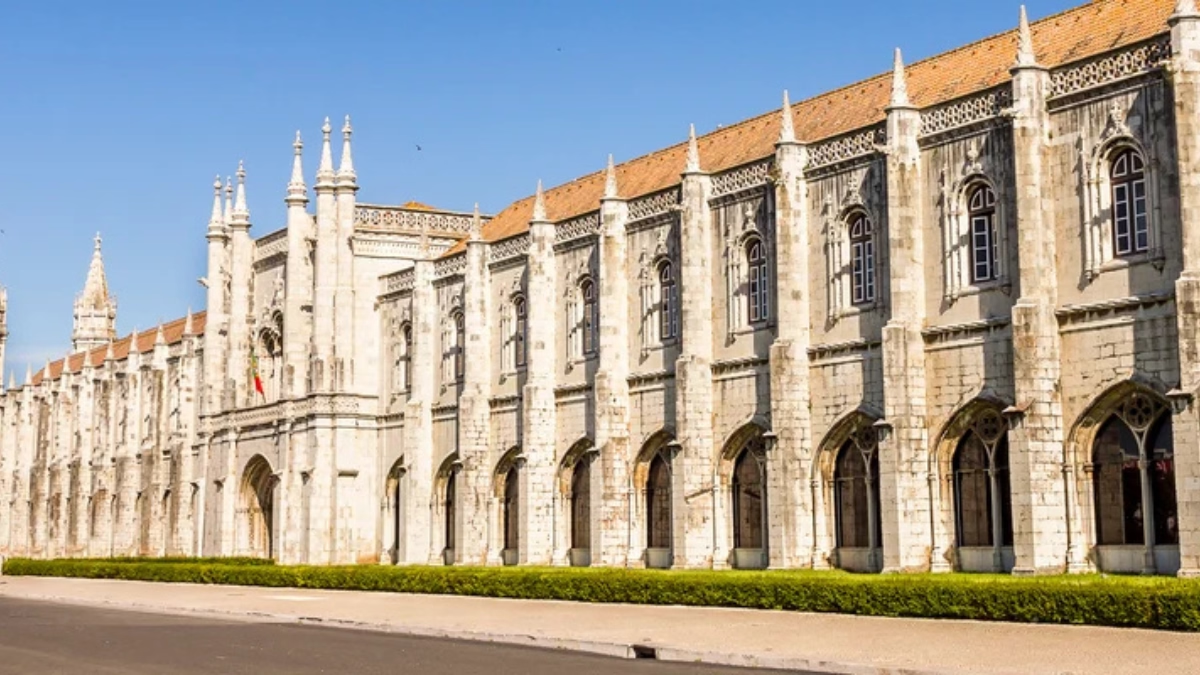
The Museu Nacional de Arqueologia (National Archaeology Museum) occupies the west wing of Jerónimos Monastery, sharing the same building as the cloisters but requiring its own, separate ticket. It’s Portugal’s leading archaeology collection, spanning prehistoric, Roman, Egyptian and Portuguese finds, and most visitors need 45–90 minutes. Because it’s next door to the monastery entrance, it’s an easy add-on rather than a full second outing.
Many first-time visitors assume the monastery ticket covers everything inside the building — it doesn’t. The National Archaeology Museum is a distinct institution with its own entrance, admission, and opening hours, even though it occupies part of the same Manueline structure as the cloisters.
This guide covers what the museum holds, how it fits alongside a monastery visit, and what to expect if you want to add it to your day in Belém.
A Separate Museum, a Shared Building
The National Archaeology Museum has its own ticket and is not included in the monastery cloister ticket, the church, or the Belém Tower combo — even though its entrance sits inside the monastery’s west wing. Treat it as a distinct attraction that happens to share an address.
It’s easy to see why visitors get confused. The Museu Nacional de Arqueologia occupies the west wing of the same Manueline building that houses the Jerónimos cloisters, just a short walk from the monastery’s ticketed entrance on Praça do Império. But it operates as its own museum, with its own admission fee, its own ticket desk, and its own opening schedule. Buying a Jerónimos entrance ticket gets you into the cloisters and related monastic rooms — not the archaeology museum next door. If you want to see both, budget for two separate admissions.
What’s Inside
Founded in the late 19th century, the Museu Nacional de Arqueologia is Portugal’s principal archaeology museum, built around collections assembled since the country’s earliest scientific excavations. Its holdings typically span:
- Portuguese prehistory — tools, ceramics, and grave goods from the Paleolithic through the Iron Age, including material from megalithic sites and hillforts around the country.
- Roman Lusitania — mosaics, coins, inscriptions, and everyday objects from Roman-era Portugal.
- Egyptian antiquities — one of the more unexpected highlights for a museum of this size, with a collection of Egyptian pieces (including funerary objects) that visitors don’t always expect to find in Belém.
- A jewelry and gold room — treasury-style displays of archaeological gold and adornments, often cited as a visitor favorite.
Exhibits do rotate, and gallery configurations change over time, so treat any specific room list as a general guide rather than a guarantee. Confirm current exhibitions and any temporary closures on the museum’s official site before you go.
How Long to Allow
Most visitors spend 45 minutes to an hour and a half at the National Archaeology Museum, depending on how many galleries are open and how deep an interest you have in archaeology. It’s a manageable, self-contained visit that fits comfortably around a monastery visit or another Belém stop.
The museum is compact enough to see without a full afternoon set aside, but substantial enough to reward more than a quick walk-through if archaeology interests you. Casual visitors often move through in under an hour; those who read the labels and linger over the Egyptian and gold collections can easily spend closer to 90 minutes. Unlike the monastery cloisters, queues here are rarely a factor, so you can generally walk up and go in without much of a wait.
Family Suitability
The museum works reasonably well for families, though it’s a quieter, more traditional gallery experience than an interactive science center — display cases, wall text, and archaeological objects rather than hands-on exhibits. Older children with some interest in ancient history or Egypt tend to engage with it well; very young children may tire quickly. If you’re traveling with a mixed-age group, it’s worth pairing a shorter museum visit with time outdoors afterward, since Belém’s riverside gardens and the nearby Padrão dos Descobrimentos give restless kids somewhere to run.
Combining It With a Monastery Visit
Because the museum entrance is inside the same monastery complex, it’s a natural add-on to a Jerónimos visit rather than a separate trip. Many visitors do the cloisters first, then step into the museum before moving on elsewhere in Belém.
The practical advantage of the museum’s location is convenience: there’s no need to travel anywhere else, since it sits within the monastery’s west wing. A sensible order for the day is to see the free church and the ticketed cloisters first — read our guide on how long to spend at Jerónimos if you’re planning timing — then walk over to the archaeology museum’s entrance while you’re already on site. From there, the Maritime Museum, also housed in the monastery complex, is another easy add-on if you have a full morning or afternoon to spend in Belém. Our guide to what to do near Jerónimos Monastery lays out a fuller half-day itinerary for the area.
Hours, Tickets, and Confirming Before You Go
The museum keeps its own opening hours and admission prices, which are separate from and can differ from the monastery’s cloister schedule — including its own weekly closed day and holiday closures, which may not match the monastery’s. Because museum hours, ticket prices, and gallery closures can change, and because we’d rather be honest than guess, check the Museu Nacional de Arqueologia’s official website for current hours, admission fees, and any gallery closures before your visit. Don’t assume the monastery’s Tuesday–Sunday schedule or ticket price applies here.
A Bit of Context
The museum’s presence inside Jerónimos ties into the monastery’s own long history as a working religious and civic building. To understand why the west wing came to house a national museum collection at all, our guide to Jerónimos Monastery’s history traces how the building’s use evolved after the religious order that once occupied it was dissolved in the 19th century.
Frequently Asked Questions
Is the National Archaeology Museum included in the Jerónimos Monastery ticket?
No. The museum has its own separate admission and is not covered by the monastery’s cloister ticket, the free church, or the Belém Tower combo ticket. It shares the same building’s west wing but operates as an independent museum with its own ticket desk.
What can I expect to see at the museum?
Collections generally cover Portuguese prehistory, Roman-era Lusitania, Egyptian antiquities, and archaeological gold and jewelry, among other holdings. Exact galleries and displayed pieces can change, so check the museum’s official site for current exhibitions before visiting.
How long does a visit to the museum take?
Most visitors spend roughly 45 minutes to an hour and a half inside, depending on their interest level and how many galleries are open. It’s a manageable stop that fits easily alongside a monastery visit or another nearby sight.
Is the museum worth visiting if I’m not into archaeology?
It’s a more specialist visit than the monastery cloisters, so casual sightseers may prefer to prioritize the cloisters and church first. But if you enjoy history museums or have some spare time in Belém, the Egyptian and gold collections tend to surprise visitors who weren’t expecting them.
Is the museum good for kids?
It can work for older children with some curiosity about ancient history, though it’s a traditional gallery-style museum rather than a hands-on space, so very young children may lose interest quickly. Pairing a short visit with outdoor time nearby often works well for families.
Can I visit the museum and the monastery cloisters on the same day?
Yes, and many visitors do exactly that since the museum’s entrance is inside the same complex. Just remember you’ll need two separate tickets, and it’s worth checking both sets of opening hours in advance since they aren’t always identical.
Does the museum have the same closed days as the monastery?
Not necessarily. The museum sets its own schedule, including its own weekly closed day and holiday closures, which can differ from the monastery’s Monday closure and holiday calendar. Confirm current hours on the museum’s official site before you go.
Where exactly is the museum entrance?
The Museu Nacional de Arqueologia is entered from the monastery’s west wing, a short walk from the main ticketed entrance to the cloisters on Praça do Império. Signage on site points visitors toward the separate museum entrance and ticket desk.
