
Jerónimos Monastery: What to See
Jerónimos Monastery is really several visits in one. The cloister is the centrepiece, carved in the Manueline style King Manuel I used to celebrate Portugal’s age of discovery, while the church of Santa Maria de Belém holds the royal pantheon and the tomb of Vasco da Gama. The South Portal, the refectory and the chapter house each reward a closer look, and the gardens and exterior frame the whole complex. Two national museums, Archaeology and Maritime, share the site as well. This guide covers each highlight in turn, what makes it worth your time, and how to prioritise if you only have an hour.
Top Highlights at Jeronimos Monastery
The headline sights and experiences most visitors want to see first.
Jerónimos Monastery Cloisters
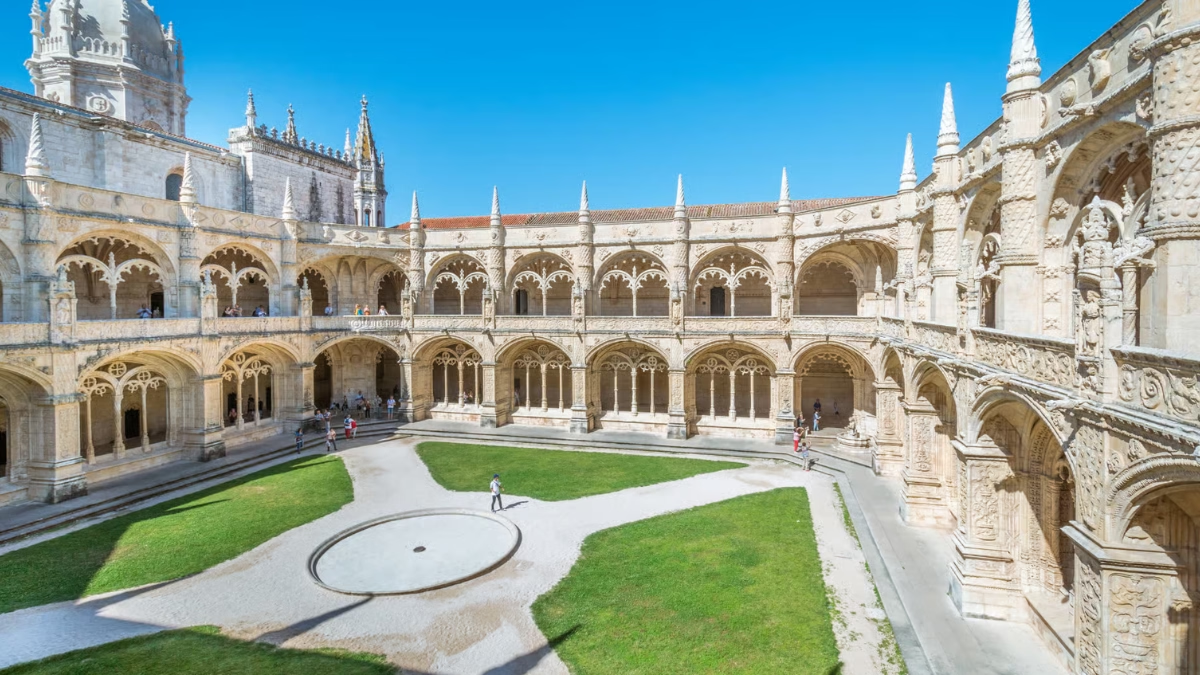
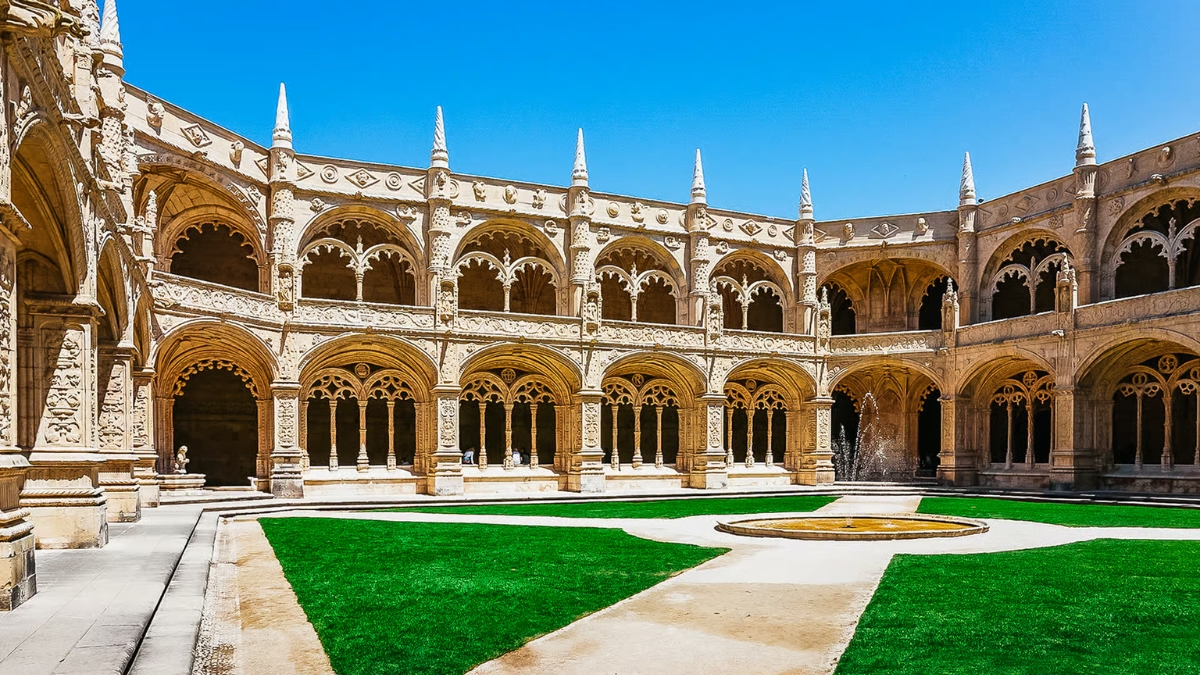
The two-story cloister wraps a 55-metre square courtyard where every arch is carved with Manueline stonework — twisted ropes, armillary spheres, coral-like tracery. It is the only ticketed part of the monastery, and the upper gallery gives the best views down into the courtyard. Allow 40–60 minutes.
Explore →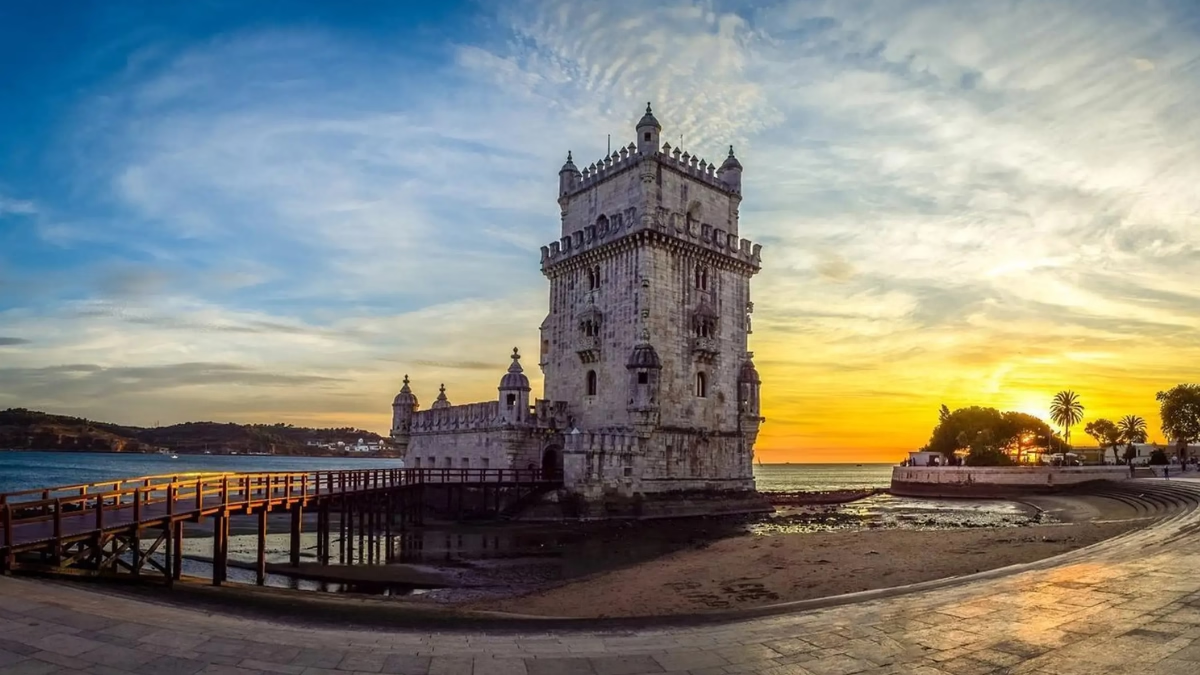
What to See in Belém
Belém packs Portugal’s Age of Discovery landmarks into a walkable riverside strip, with Jerónimos Monastery as the anchor. Belém Tower, the Monument to the Discoveries, the National Coach Museum, MAAT, and the original Pastéis de Belém bakery all sit minutes apart, so one trip covers several major sights.
Explore →History and Architecture of Jeronimos Monastery
Who built Jeronimos Monastery, why it matters, and its Manueline style.
Jerónimos: King Manuel I’s Legacy
Learn why King Manuel I commissioned Jerónimos Monastery in 1501 — a symbol of Portugal’s maritime dominance. Funded by the wealth of spice trade (the pepper tax), this architectural masterpiece crowned the Age of Discovery. Understanding its origins enriches your visit.
Read guide →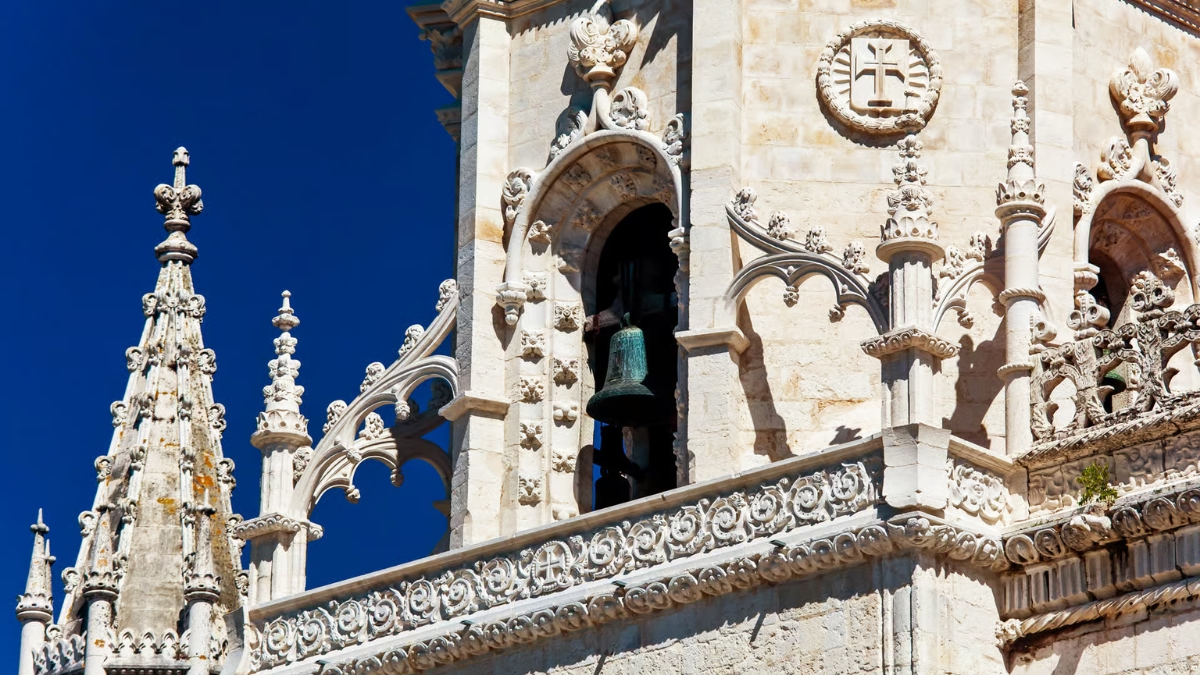
Manueline Architecture at Jerónimos
Discover the symbolic language of Manueline architecture at Jerónimos. From armillary spheres to twisted ropes and maritime carvings, each element tells the story of Portugal’s seafaring heritage. This visual guide reveals what to look for across the South Portal, cloisters, and church.
Read guide →Inside the Church at Jeronimos Monastery
The Church of Santa Maria de Belém and its famous tombs.
Santa Maria de Belém Church
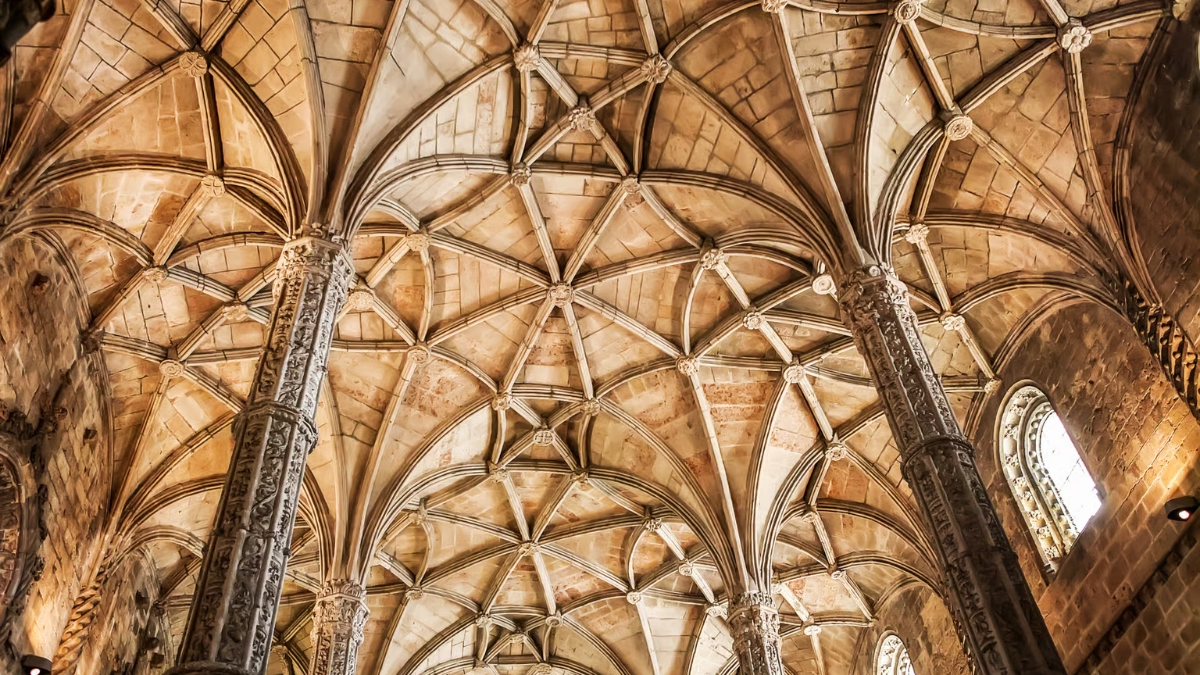
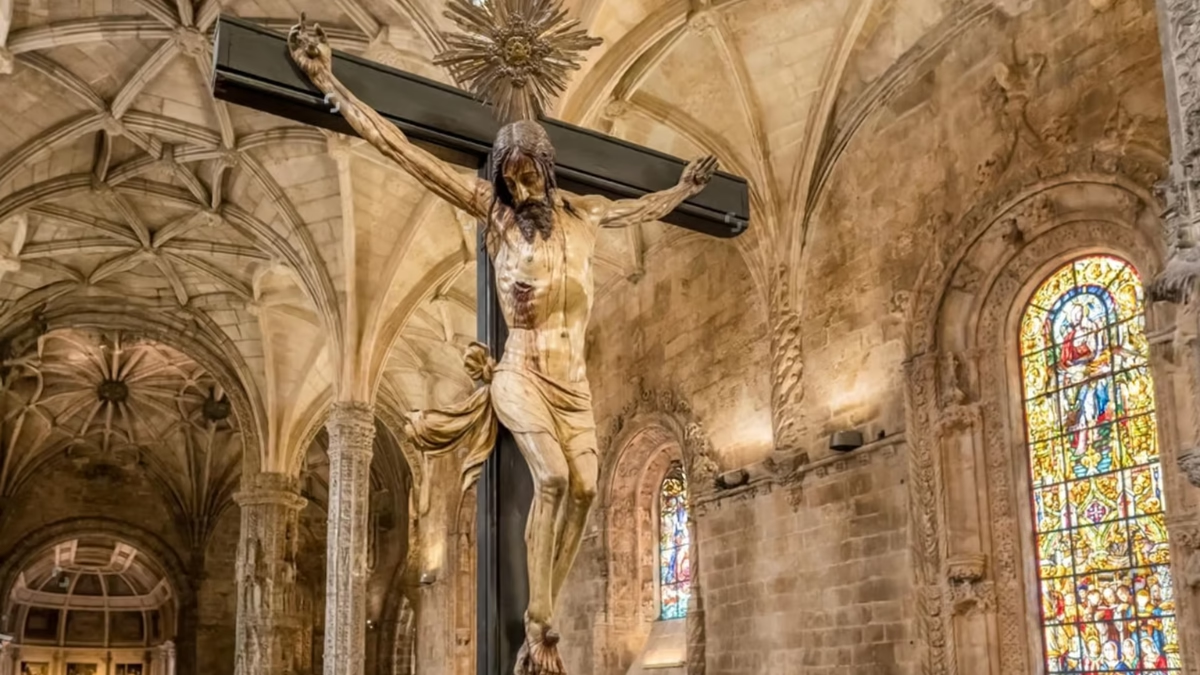
Inside this free church at Jerónimos you’ll see soaring Manueline vaulting and royal tombs. The graves of Vasco da Gama and Portuguese literary great Camões are here. It’s a stunning architectural and historical highlight included with your monastery visit.
Read guide →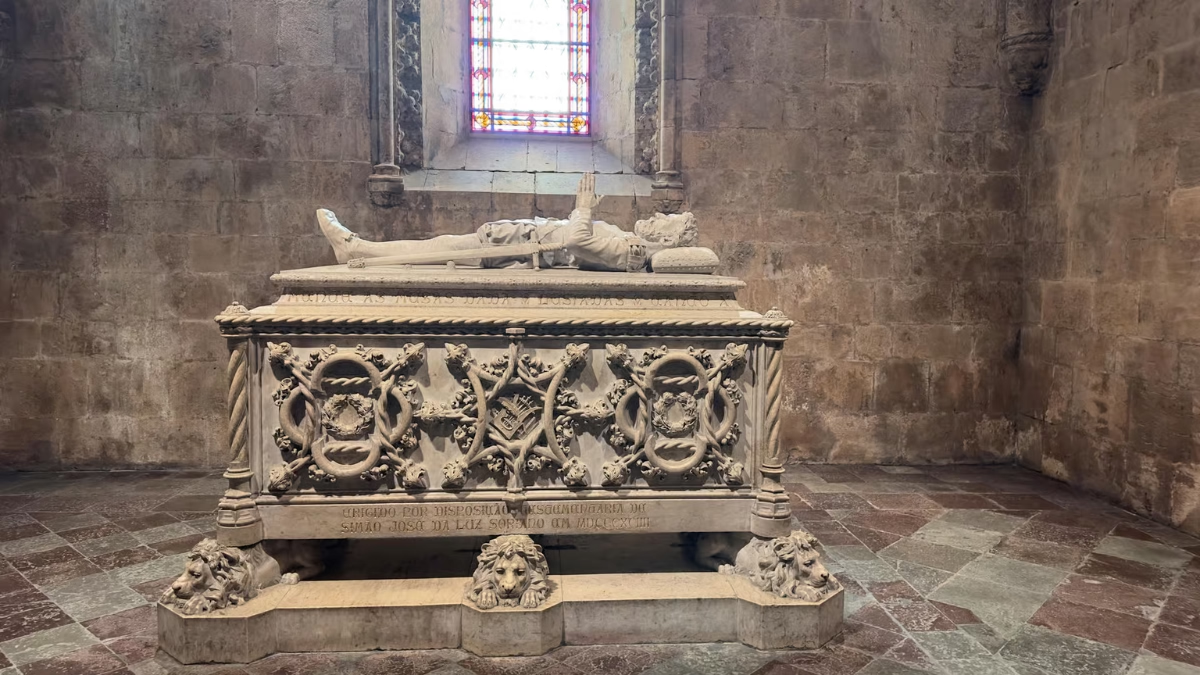
Vasco da Gama & Royal Pantheon
Visit the final resting places of Portuguese history’s greatest figures. Jerónimos houses the tombs of explorer Vasco da Gama, poet Luís de Camões, and Portugal’s royal pantheon. Also interred here are Fernando Pessoa and Alexandre Herculano—and viewing the tombs is free.
Read guide →Beyond the Church at Jeronimos Monastery
South Portal, refectory, chapter house, gardens and the monastery exterior.
South Portal Manueline Masterpiece
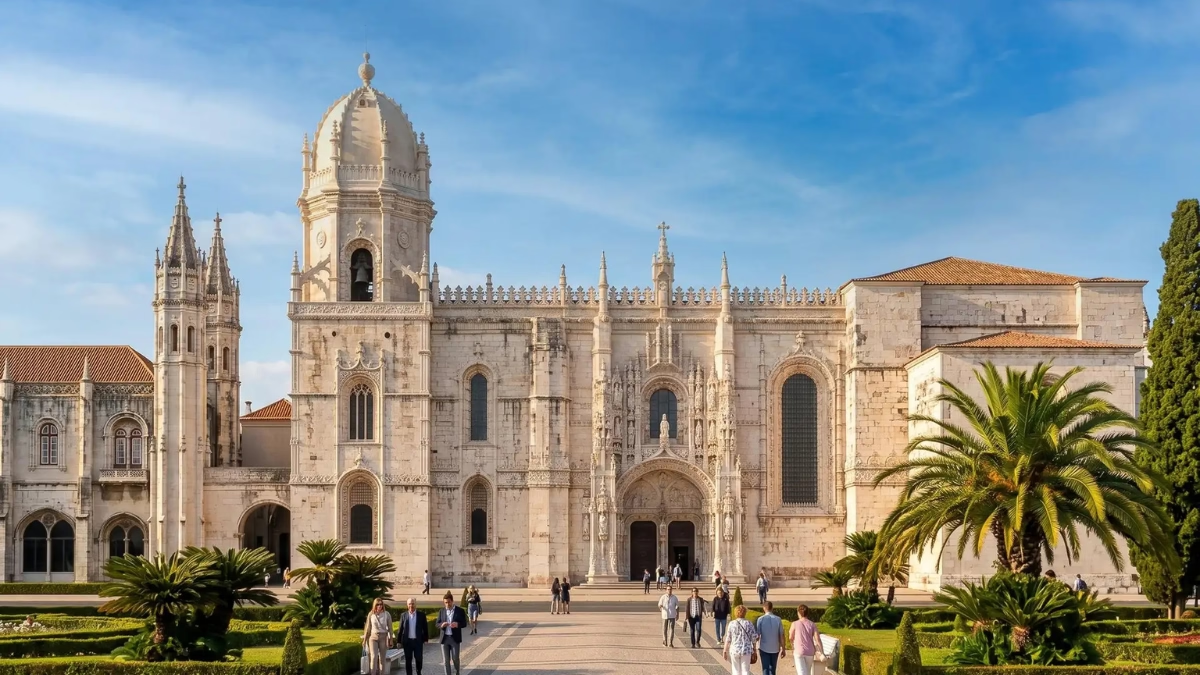
The South Portal showcases João de Castilho’s stunning Manueline craftsmanship. Packed with intricate statuary, it represents the pinnacle of Portuguese architectural decoration. Learn what to look for and the best times for photography.
Read guide →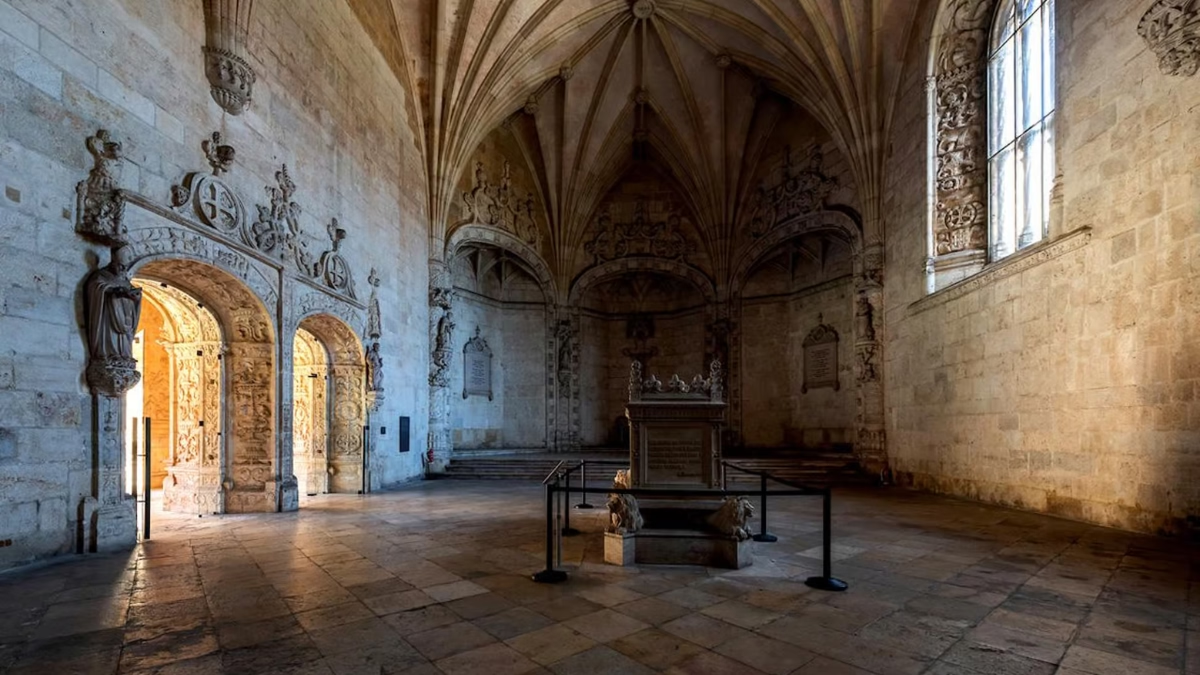
Jerónimos Refectory & Chapter House
Discover two hidden gems included with your monastery ticket: the Refectory with soaring Manueline vaulting and intricate azulejo tiles, and the Chapter House housing Alexandre Herculano’s tomb. These intimate spaces reveal the monastery’s architectural mastery and historical significance.
Read guide →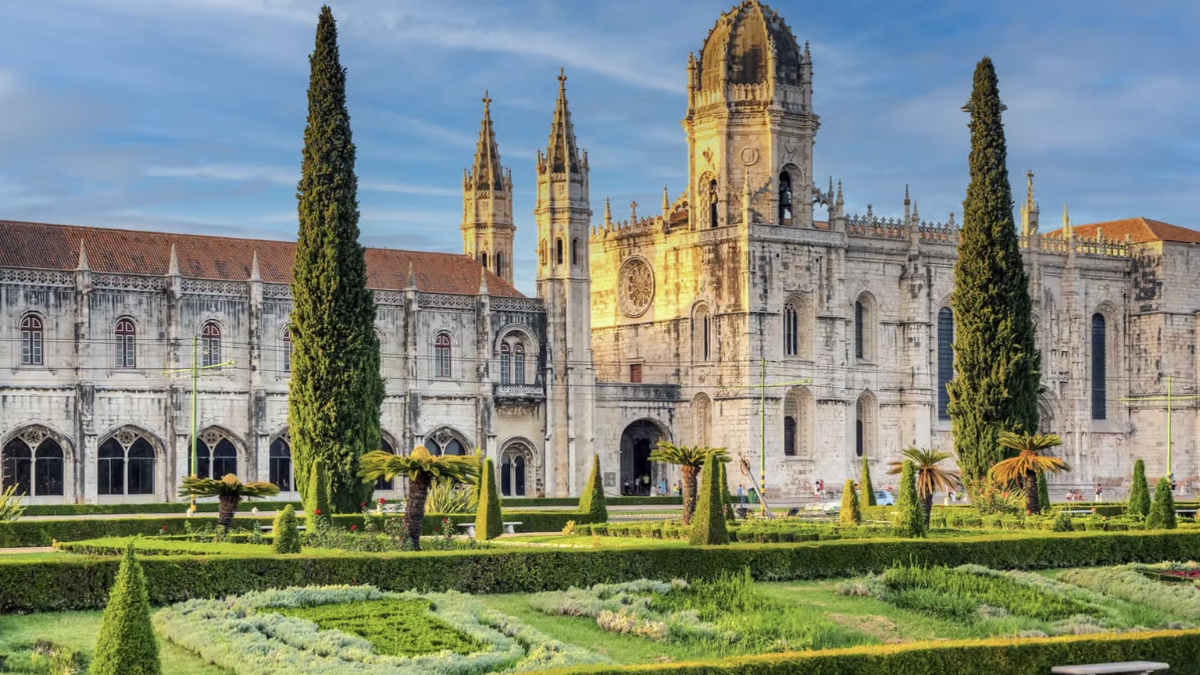
Jerónimos Gardens & Exterior
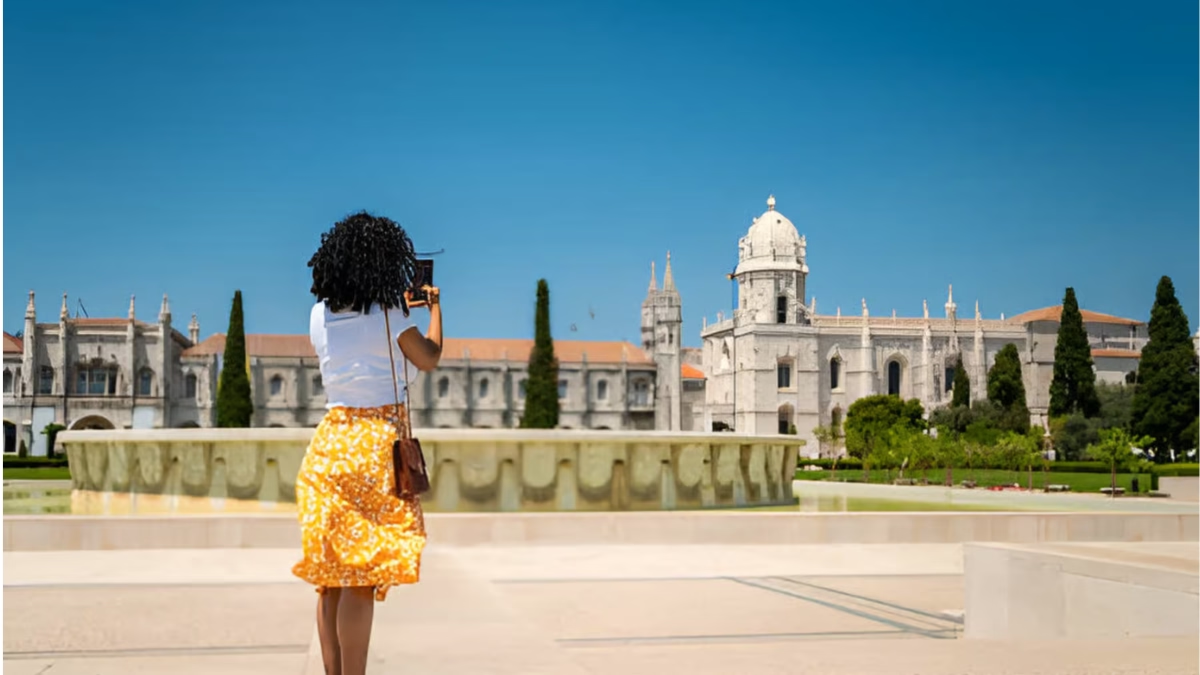
Explore Jerónimos’ free gardens and soaring 300-meter façade overlooking the Praça do Império fountain. Walk the riverside paths with stunning views back to Belém Tower. The grounds are a photographer’s dream with endless scenic angles.
Read guide →Museums Inside the Jeronimos Monastery Complex
Visiting the National Archaeology Museum and the Maritime Museum.
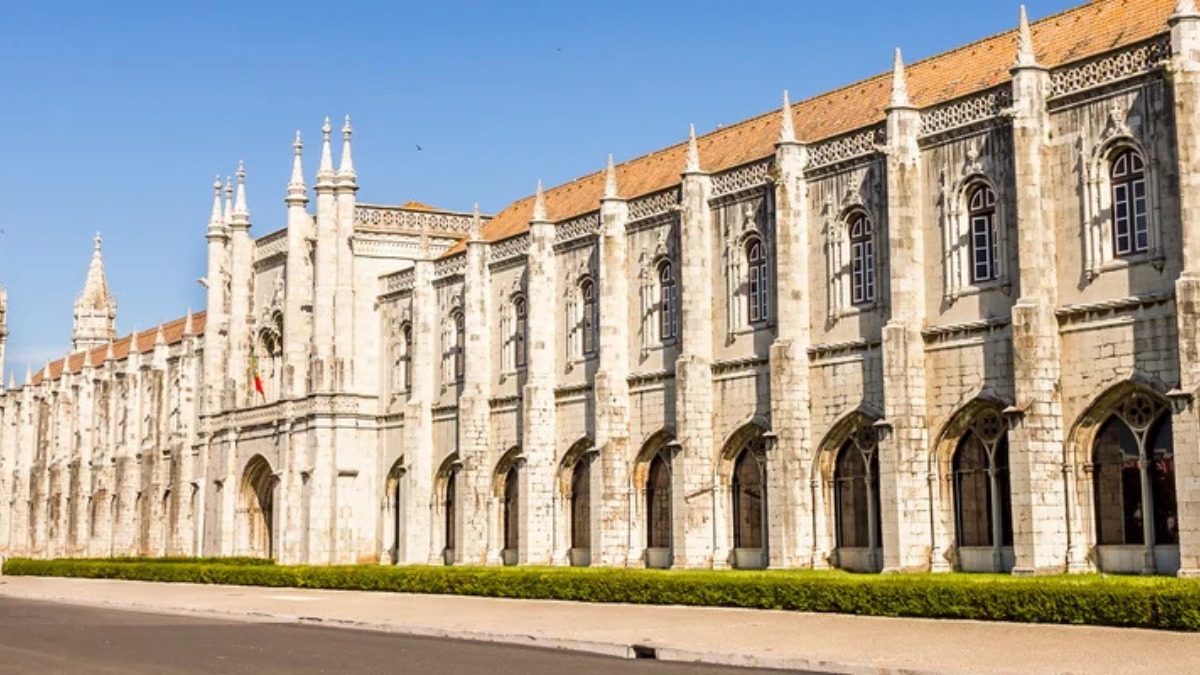
National Archaeology Museum Jerónimos
Discover ancient treasures in Jerónimos Monastery’s west wing museum. The National Archaeology Museum houses prehistoric, Roman, and Egyptian artifacts. Note: it requires a separate ticket from the cloisters and is one of Lisbon’s finest collections.
Read guide →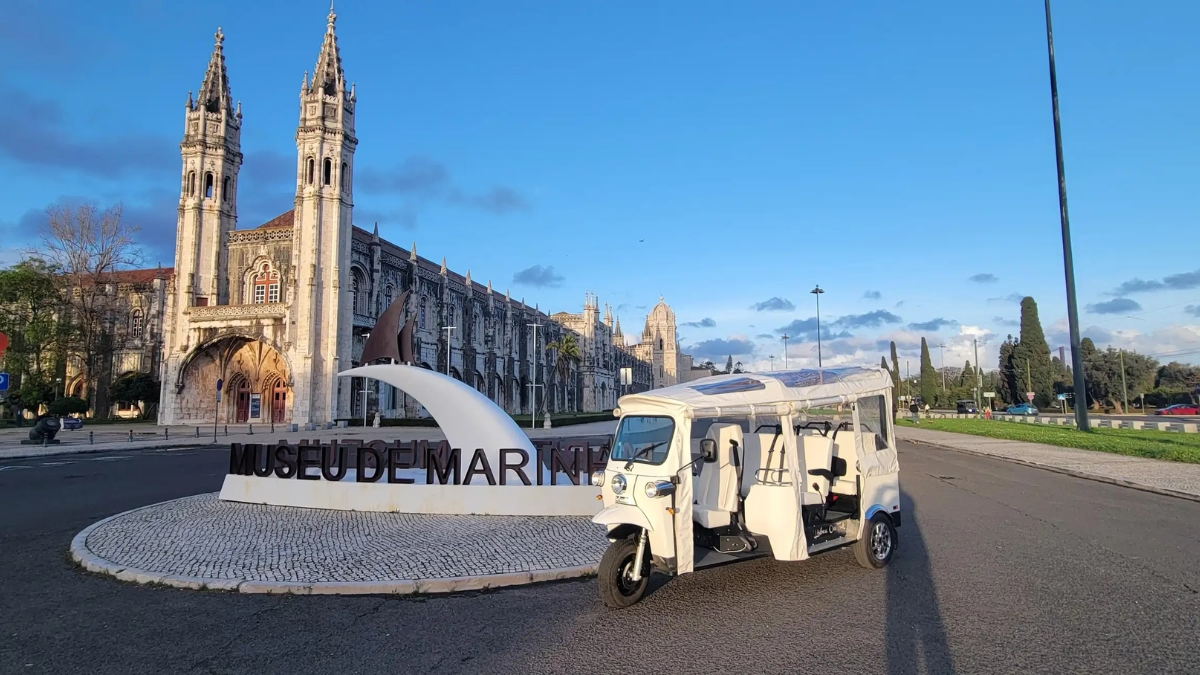
Maritime Museum Jerónimos
Explore Portugal’s maritime heritage in the Jerónimos Monastery’s west wing. The museum displays ship models, navigation instruments, and royal barges—all housed in the monastery but requiring a separate ticket from the cloisters. A must-see for history enthusiasts.
Read guide →How to Choose What to See at Jeronimos Monastery
A quick guide based on your interests and visit style.
If You Only Have One Hour
With a single hour and a queue outside, spend it on the two things that exist nowhere else in Portugal.
- Go straight to the two-story cloisters — the ticketed highlight and the reason most people come; allow 30 minutes to walk both levels.
- Duck into the Church of Santa Maria de Belém next door — it’s free, has a separate shorter queue, and holds Vasco da Gama’s tomb.
- Skip the two west-wing museums entirely — they’re separate tickets and need half a day between them.
- Look up at the South Portal on your way past; it costs nothing and takes two minutes.
For First-Time Visitors
Jerónimos makes far more sense when you know it was paid for by the spice trade Vasco da Gama opened up.
- Read the story of King Manuel I’s 1501 commission before you go — the whole building is a thank-you note for the sea route to India.
- Understand the ticket split first: the church is free, the cloisters, refectory and chapter house are on the paid monastery ticket, and the two museums are separate again.
- Pair it with the rest of Belém — Belém Tower and the Monument to the Discoveries are the same story, told outdoors.
- Budget half a day; Jerónimos is a 300-meter-long complex, not a single church.
If You Love Architecture
Jerónimos is the purest surviving expression of Manueline — a style that swapped classical ornament for rope, coral, and navigational instruments.
- Learn to read the Manueline symbolic vocabulary first — armillary spheres, the Cross of the Order of Christ, twisted rigging carved in limestone.
- Give João de Castilho’s South Portal proper time; it’s a 32-meter stone screen of figures most visitors walk past to reach the entrance.
- In the cloisters, compare the lower gallery’s Boytac work with the upper level’s later, flatter detailing — two hands, two decades.
- Stand back in the gardens to take in the full façade; the interior never gives you the scale.
Visiting With Kids
Carved stonework only holds young attention so long — Jerónimos’ west wing is where the visit is rescued.
- The Maritime Museum is the winner: real royal barges, a seaplane, and ship models at eye level.
- The National Archaeology Museum next door has Egyptian mummies — a reliable hook for older children.
- Turn the cloisters into a hunt: count the ropes, sea monsters, and armillary spheres hidden in the carvings.
- Use the free gardens as the run-around break between the monastery and the museums.
Continue Exploring Jeronimos Monastery
Book your tickets and plan the practical details of your visit.
Frequently Asked Questions
Common questions about what to see and prioritise.